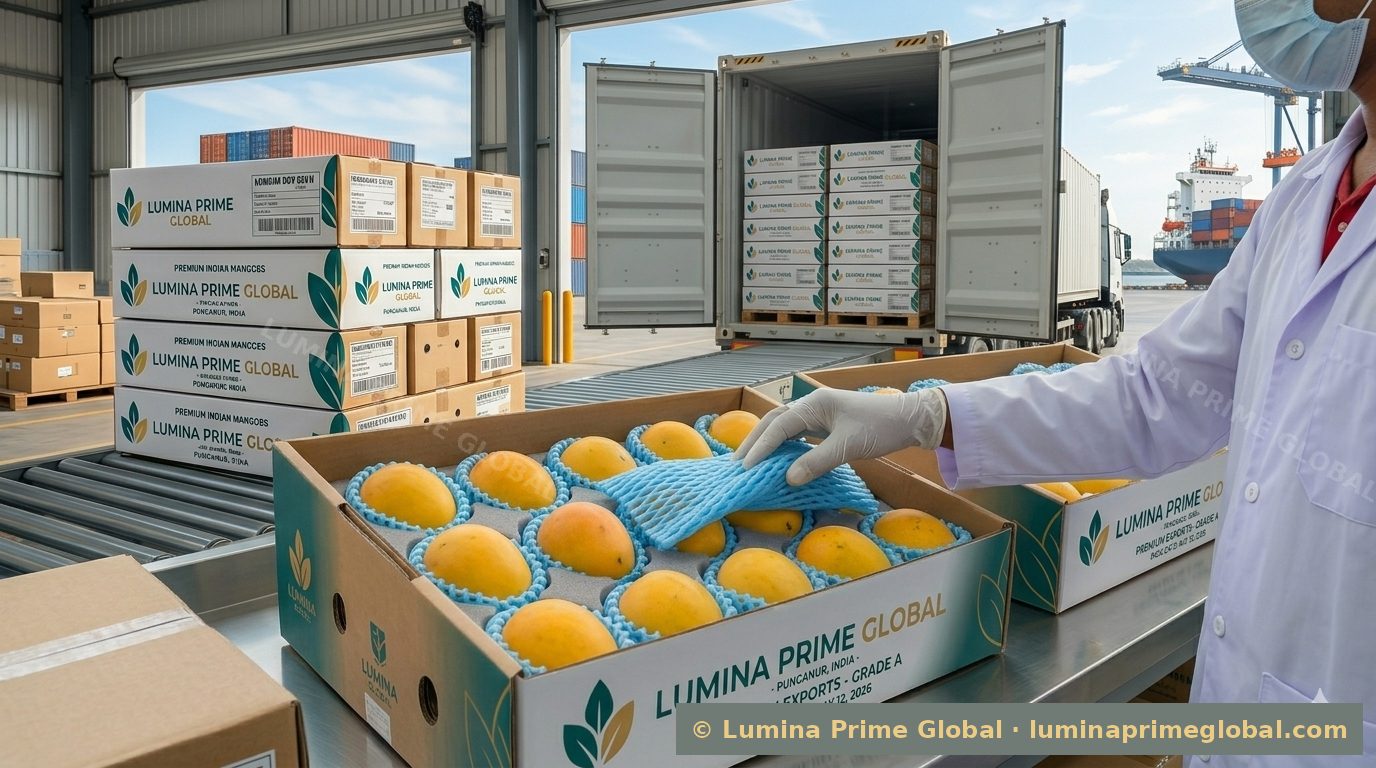
Mango is a seasonal crop, but mango pulp doesn't have to be a seasonal purchase. Understanding the harvest and processing calendar helps you time your orders for the best pricing, freshest processing dates, and most reliable drum availability — whether you're buying during peak season or drawing from cold-stored stock months later.
Totapuri harvest: Mid-April – July · Alphonso harvest: March – May · Shelf-stable aseptic pulp: 18–24 months · In-season booking lead time: 4–6 weeks · Off-season lead time: 2–3 weeks
1. Harvest Windows by Variety
| Variety | Harvest Window | Primary Growing Region |
|---|---|---|
| Totapuri | Mid-April – July (peak: May–June) | Chittoor, Krishnagiri, Salem |
| Alphonso (Hapus) | March – May | Ratnagiri, Devgad (Maharashtra) |
| Banganapalli | April – June | Andhra Pradesh, Chittoor belt |
| Kesar | May – June | Gujarat (Junagadh, Girnar foothills) |
Totapuri's longer, later window and higher yield are the main reasons it accounts for the majority of India's mango pulp export volume — there's simply more fruit available over a longer period, keeping supply and pricing more stable than the shorter Alphonso season.
2. From Harvest to Aseptic Drum: The Processing Timeline
- Harvest & delivery to unit: Fresh fruit arrives at the processing facility within 24-48 hours of picking
- Sorting, washing, deseeding: Same-day processing to preserve quality
- Pulping & aseptic sterilisation: High-temperature short-time (HTST) treatment, filled into sterile drums or pails
- Quality testing: Brix, pH, and lab clearance before the lot is released for sale
- Cold storage: Sealed drums move to ambient or temperature-controlled storage, ready to ship on order
This entire cycle from fresh fruit to a sellable, tested lot typically takes 5-10 days, meaning the bulk of a season's total processing volume becomes available for export within a few weeks of peak harvest.
3. Booking Lead Times: In-Season vs Off-Season
Ordering During Harvest Season (April–July for Totapuri)
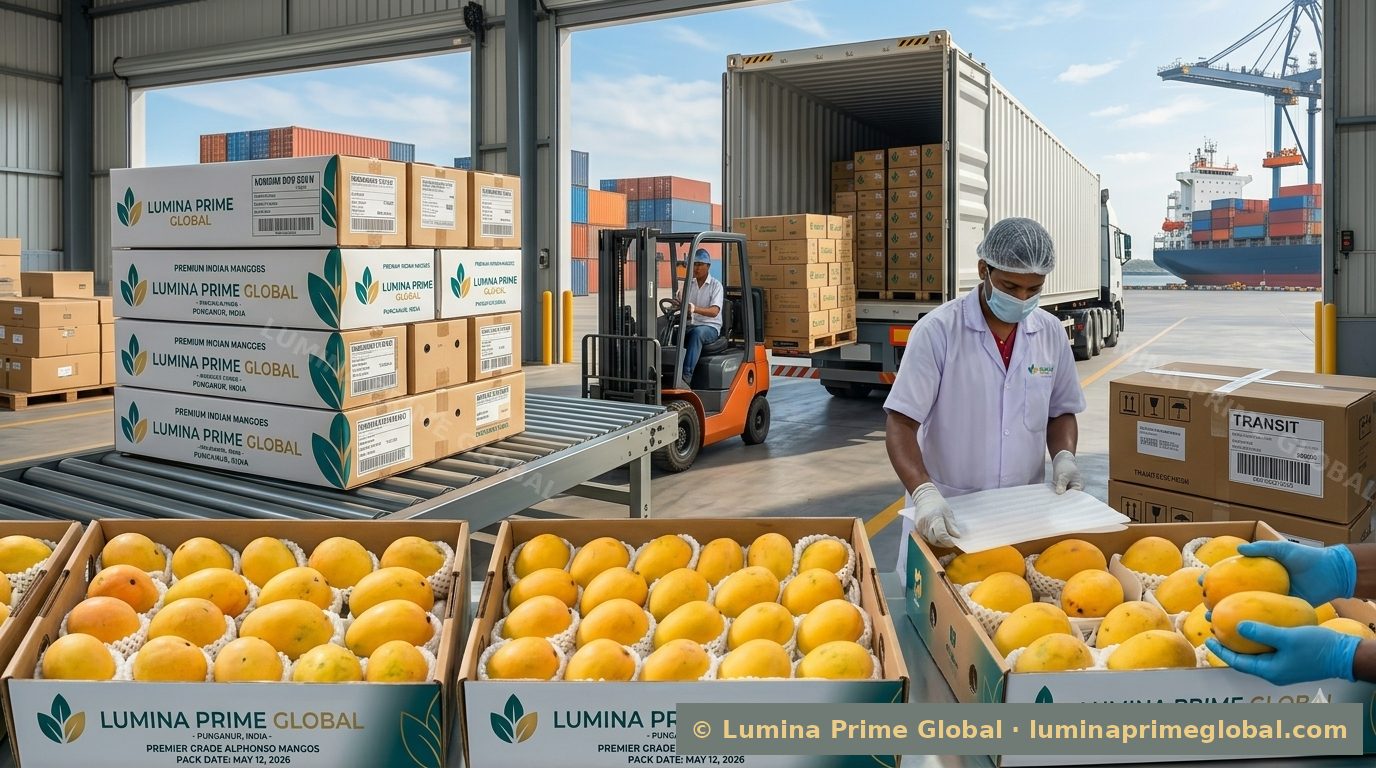
Demand and processing activity both peak simultaneously, which means container and processing slot availability can tighten. Booking 4-6 weeks ahead of your required shipment date gives your supplier room to allocate fresh-processed stock and secure export documentation without delay.
Ordering Off-Season (August–March)
Orders placed outside the harvest window draw from cold-stored aseptic stock rather than fresh processing. Lead times are shorter — typically 2-3 weeks — since the product is already processed and tested; the main variable is drum/pail availability and container booking.
If your usage is predictable year-round, consider locking in a seasonal supply agreement during the April–June processing window, when pricing is typically most favourable and drum availability is highest. This avoids the modest premium that can apply to late off-season stock as inventory tightens ahead of the next harvest.
4. Availability & Pricing Trends by Month
| Period | Availability | Typical Pricing Trend |
|---|---|---|
| April – June | Peak — fresh processing, highest volume | Most competitive |
| July – September | High — recently processed stock plus early cold storage | Stable |
| October – December | Moderate — drawing from cold storage | Slight premium |
| January – March | Lower — late-season cold storage stock, ahead of next harvest | Highest of the cycle, variety-dependent |
Trends are directional and vary by variety, grade, and year-to-year harvest conditions — always request a current quote for firm pricing.
5. Frequently Asked Questions
6. Next Steps
- Map your annual usage against the harvest calendar to identify the best ordering window
- Book 4-6 weeks ahead if ordering during peak season (April–July)
- Consider a seasonal supply agreement if your usage is predictable year-round
- Request current pricing — seasonal trends are directional, not fixed
Lumina Prime Global processes Totapuri and Alphonso mango pulp fresh through the 2026 season from Chittoor, with cold-stored stock available year-round. APEDA RCMC certified, trial orders from 1 MT.